Which cruise style fits a luxury traveler, family, or explorer?
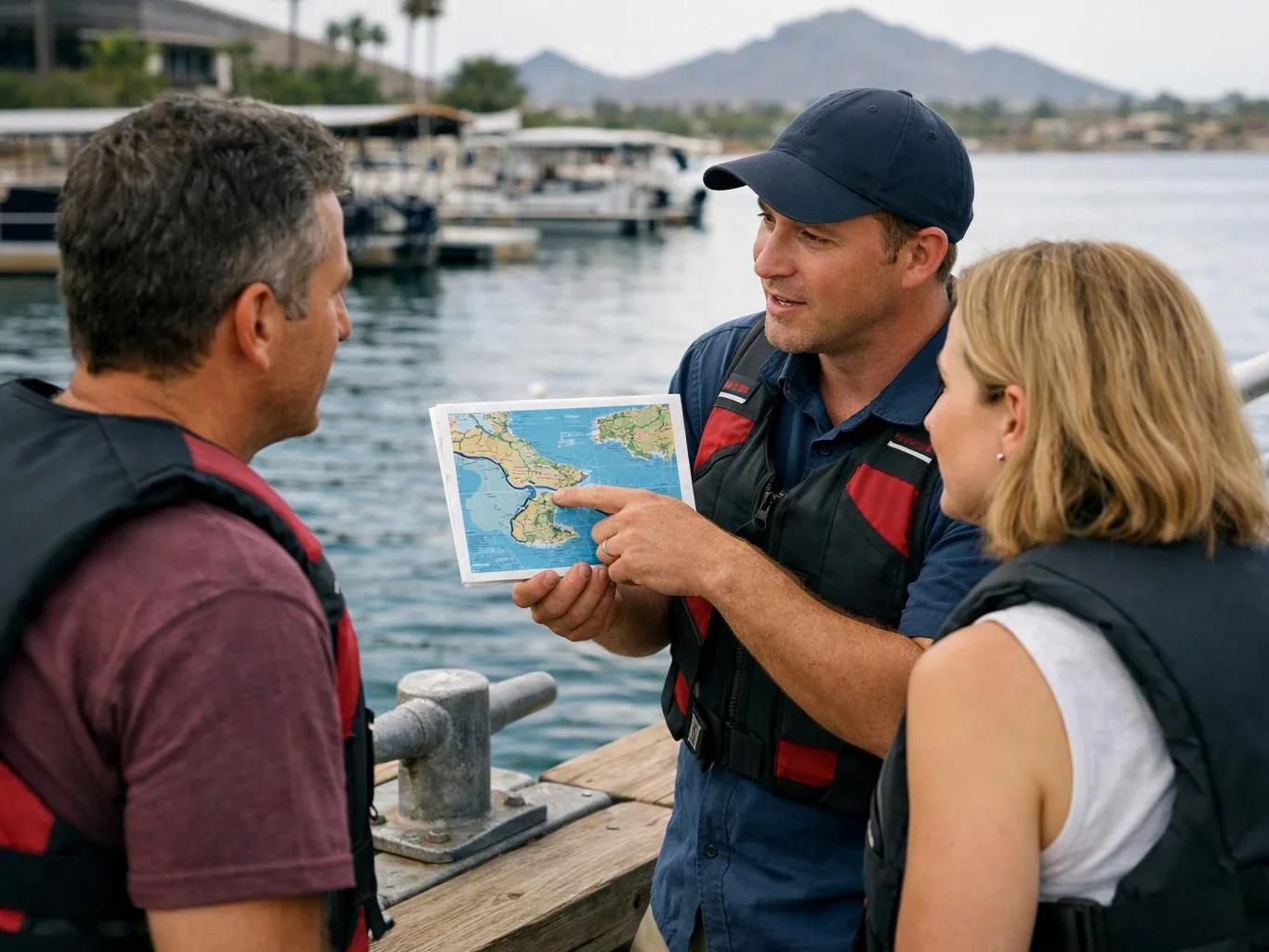
Luxury cruising suits travelers who value refined ships, suites, and tailored arrangements. River cruising fits guests who prefer smaller vessels and port-focused days. Families often need connecting cabins and flexible activities. Expedition cruising fits travelers seeking remote destinations and guided shore experiences. We match these preferences with the itinerary and cabin choices under review.
How can a cruise planner help with family travel?
Family cruise planning brings shared needs and separate preferences into one itinerary decision. We review cabin layouts, dining needs, activity levels, shore excursions, and transfer plans. Connecting cabins may matter for some groups, while others may prefer adjacent rooms. We discuss those details before the cabin reservation and booking terms are reviewed.
What makes one cruise vacation cost more than another?
Cabin type, itinerary, ship, travel dates, excursions, transfers, and added land arrangements affect the trip cost. Balcony cabins and suites can change the supplier’s booking total. Travel insurance and change terms also deserve review. We explain which selections shape the cost, then request the supplier’s current terms for your chosen itinerary.
When should travelers review passport and visa needs?
Passport and visa requirements should be reviewed before finalizing an international itinerary. The route, ports, nationality, and entry rules determine which documents apply. We include travel documentation review in the planning process, but travelers should confirm current requirements with the relevant official authorities before departure. Health guidance and cruise line policies also deserve attention.
Why choose a cruise planner over booking directly?
A cruise planner adds guidance when the choice involves cabins, ports, shore excursions, groups, or related land travel. Direct booking may suit travelers who already know the ship and itinerary they want. We help compare the travel details that are easy to overlook, then review payment schedules, cancellation terms, and documentation needs.
What should I bring to the first cruise consultation?
Travel goals, preferred destinations, companion details, cabin preferences, and known mobility or dietary needs make the first consultation more useful. Bring passport information when available, along with any visa concerns or travel restrictions. You don't need a final itinerary before speaking with us. We use the discussion to shape the next comparison.
Which support can cover changes after booking?
Post-booking support can include reviewing supplier rules, change fees, cancellation terms, travel insurance, and updated travel documents. The exact help depends on the cruise booking and supplier policy. We keep the booking details in view as the trip develops, so you can understand the available choices before requesting a change.