How to Choose a Cruise Cabin When You Have Specific Needs
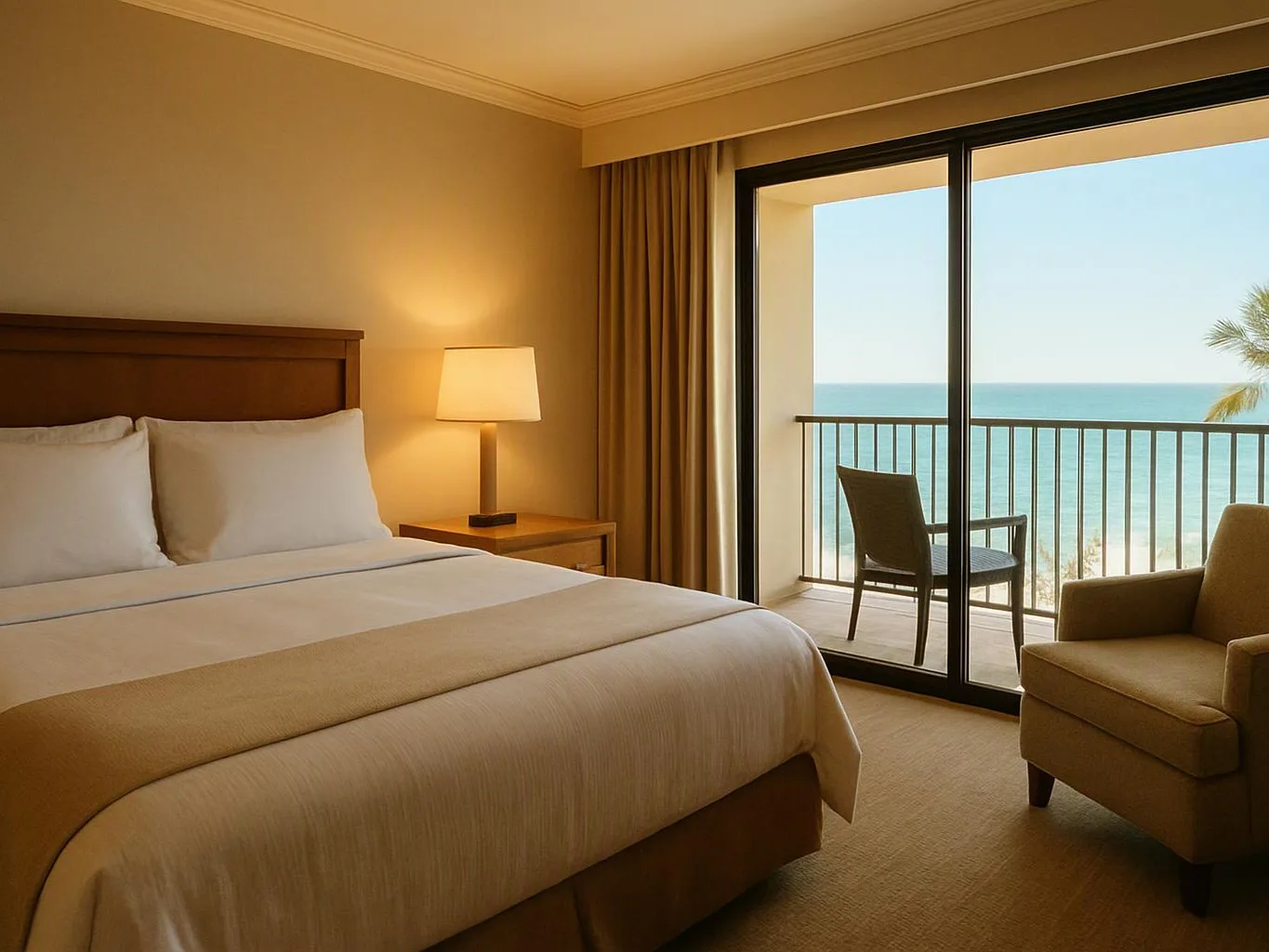
Choosing a cruise cabin starts with your strongest need, such as motion control, quiet sleep, mobility access, family space, or outdoor views. At CruiseTourPhoenix.info, we help match those needs with cabin location, layout, deck position, and ship features. The right cruise stateroom should support your comfort, access, sleeping plans, and budget priorities.
Written by Wendy Denny
Request an EstimateStart With the Need That Matters Most
Choosing the right cruise cabin starts with the concern that could affect your trip most. Motion sensitivity, sleep quality, mobility access, family space, and natural light can each change the best choice.
We compare the cruise cabin, cabin location, cabin layout, and ship deck together. A cabin category alone doesn't show the full experience. Nearby venues, walking routes, bed placement, and bathroom design also matter.
Use these quick picks as a starting point:
Which Cruise Cabin Is Better for Motion Sickness?
A lower, midship cabin usually limits the sensation of ship movement, so travelers with motion sensitivity should prioritize that location.
Motion sickness can feel stronger toward the front and rear of a ship. A lower deck and midship location can provide a steadier feel. Ship design, weather, itinerary, and personal sensitivity still affect comfort.
A balcony cabin may help some travelers because fresh air and a horizon view can feel reassuring. The balcony doesn't remove ship movement, so location remains the key choice. We can also discuss seasickness remedies with your travel plans, but medical questions belong with a qualified healthcare provider.
Compare Cabin Locations by Traveler Need
Cabin location changes how much you notice movement, foot traffic, and outdoor activity. The table compares common locations by the traveler need they may support.
| Option / System | Best For | Typical Lifespan / Turnaround | Key Trade-Offs |
|---|---|---|---|
| Midship cabin | Travelers sensitive to movement | Depends on itinerary and ship | May cost more or have limited availability |
| Forward cabin | Guests who prefer front-of-ship access | Depends on itinerary and ship | May feel more ship movement |
| Aft cabin | Guests who value rear views | Depends on itinerary and ship | Engine or service noise may matter |
| Lower deck | Guests seeking less movement | Depends on itinerary and ship | May offer less view and longer routes to venues |
| Upper deck | Guests who want quick pool access | Depends on itinerary and ship | Pool activity and wind may affect comfort |
| Near-elevator or near-stairway cabin | Guests who value shorter walking routes | Depends on itinerary and ship | Foot traffic may affect quiet |
| Balcony cabin | Guests who want outdoor space | Depends on itinerary and ship | Higher cabin cost may affect budget |
| Interior cabin | Guests focused on budget or dark sleeping conditions | Depends on itinerary and ship | No natural light or outside view |
Deck plans should be read with the ship's venue map. A quiet location on one ship may sit below a busy space on another.
Signs a Cruise Cabin May Not Suit You
A cabin may be a poor match when its location or layout conflicts with your main need. These warning signs deserve review before booking.
Choose a Cabin for Mobility and Accessibility Needs
An accessible cruise cabin should match your mobility device, bathroom needs, and route through the ship. A category label alone doesn't confirm that every feature will work for you.
We check for wheelchair access, mobility scooter rules, door width, and an accessible route to key ship areas. We also review roll-in shower design, grab bars, bed access, and bathroom turning space.
Tell our team about medical equipment, transfer needs, and mobility limits before booking. Ship rules can affect equipment storage, cabin access, and boarding arrangements.
Our cruise agency service helps connect these needs with the ship layout and cabin category.
Common Causes of a Poor Cabin Match
Poor cabin matches often begin with assumptions made before the exact cabin is reviewed. These causes are easy to address during planning.
Plan Around Sleep, Noise, and Privacy
A quiet cruise cabin should sit away from likely noise sources and heavy foot traffic. Light sleepers should review the spaces above, below, and beside the cabin.
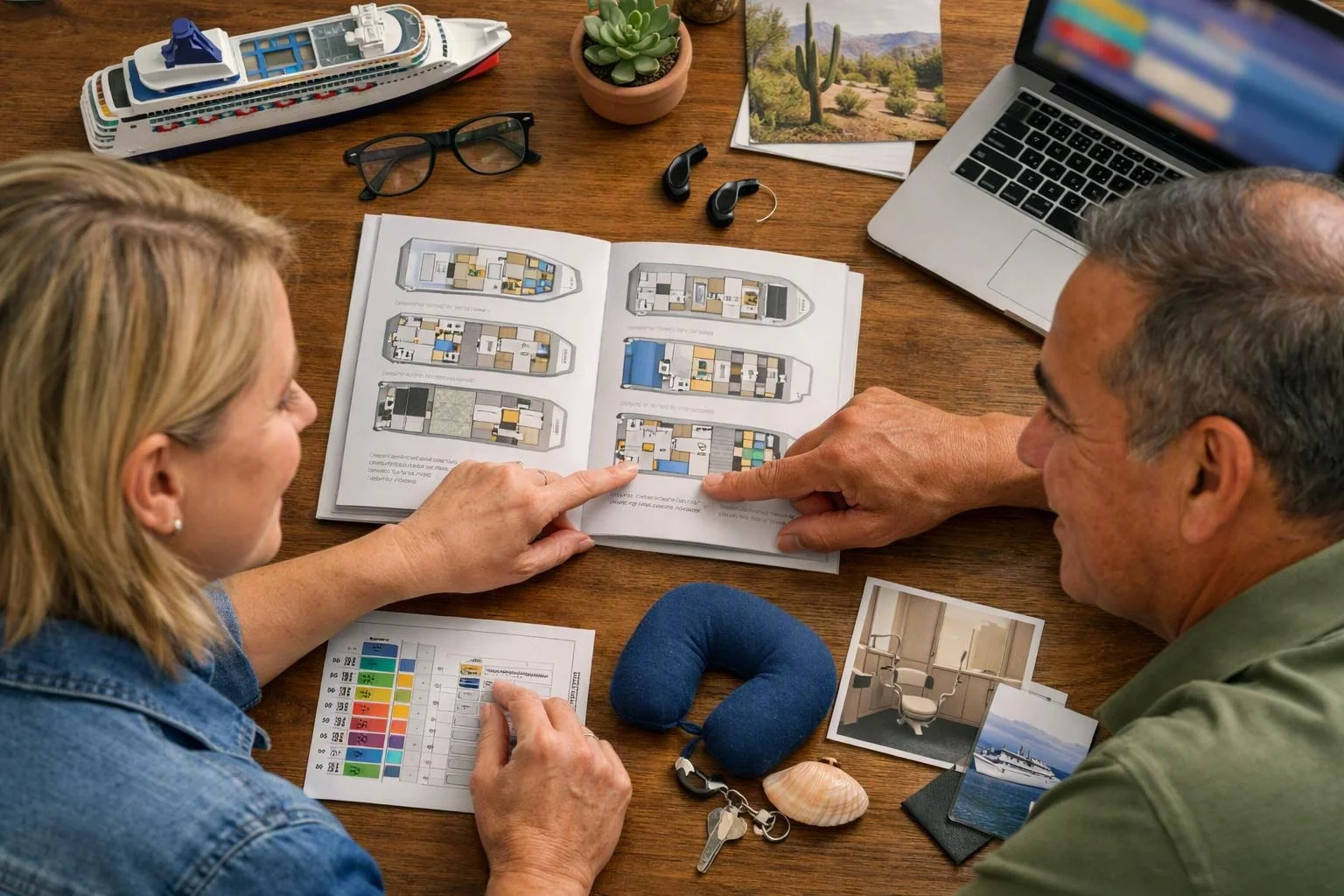
Nightlife venues, theater areas, pool decks, elevators, stairways, and service areas can affect sleep quality. A connecting cabin may also transmit more sound through its connecting door.
We review nearby ship features and help balance privacy with access. A cabin farther from busy areas may require a longer walk, so your full cruise itinerary matters.
Select the Right Cabin for Families and Groups
A family cruise cabin should support safe sleeping arrangements, shared access, and enough storage for everyone. The best setup depends on ages, privacy needs, and the ship's cabin design.
Connecting cabins can give families separate rooms with an inside connection. Adjoining cabins may sit beside each other without an internal door, so the deck plan needs close review.
Ask how the cabin handles a third and fourth passenger, where beds are placed, and how much storage remains in use. Families should also ask about crib availability and teen privacy before confirming the cabin.
Prevent a Cabin Mismatch Before Booking
Reviewing the exact cabin before booking can prevent many avoidable surprises. Use the ship deck plan and cabin details together.
Match Cabin Type to Your Travel Style
Cabin type affects natural light, private outdoor space, cabin amenities, and budget priorities. Compare the experience you want with the space you will use.
| Option / System | Best For | Typical Lifespan / Turnaround | Key Trade-Offs |
|---|---|---|---|
| Interior cabin | Budget-focused travelers or guests who prefer darkness for sleep | Depends on itinerary and ship | No natural light or outdoor view |
| Oceanview cabin | Travelers who want natural light without outdoor space | Depends on itinerary and ship | Window view may be limited or obstructed |
| Balcony cabin | Travelers who value private outdoor space | Depends on itinerary and ship | The balcony may have privacy or view limits |
| Suite | Travelers who want more living space and added amenities | Depends on itinerary and ship | The larger layout may not suit every budget priority |
Cabin amenities vary by ship and category. We compare the actual room layout with your cruise itinerary and daily plans.
Check the Details Before You Confirm the Cabin
Confirming the exact details protects your comfort and booking plans. We recommend this review before the cabin is finalized.
How We Match a Cabin to Your Specific Needs
Our cabin consultation connects traveler preferences with the ship layout, cabin category, and sailing itinerary. We begin by identifying the need that matters most.
We then review deck position, nearby facilities, cabin access, sleeping arrangements, and available features. We explain trade-offs clearly so you can make a confident cruise booking decision.
Our team can also discuss Ocean Cruise Vacations when the cabin choice depends on the full itinerary. We use the ship's details instead of relying on category names alone.
When Should You Ask for Cabin Selection Help?
Ask for cabin selection help before booking when your needs depend on location, accessibility, sleeping arrangements, or ship-specific details.
Early planning helps us review cabin availability, accessible cabin features, family cabin layouts, and motion sensitivity concerns. It also gives us time to record special requests with the cruise booking.
Ask for help whenever the ship deck plan feels unclear or the cabin category doesn't answer your main concern. We can explain what the exact cabin offers and how its location fits your plans.
Questions About Choosing a Cruise Cabin
Should I choose an interior or balcony cabin?
An interior cabin suits budget or dark-sleep priorities, while a balcony cabin suits travelers who value private outdoor space. Your itinerary, daily habits, and cabin location should guide the final choice.
What cruise cabin location is quietest?
A quiet cabin is usually away from nightlife venues, theaters, pool decks, elevators, stairways, and service areas. We review the spaces above, below, and beside the cabin before recommending its location.
Are connecting cruise cabins worth booking for families?
Connecting cabins can suit families who want separate sleeping spaces with an internal connection. We check the connecting door, bed layout, storage, and ship rules before confirming the arrangement.
How can I check whether a cruise cabin has an obstructed view?
Review the exact cabin number on the ship deck plan and ask what blocks the window or balcony. Lifeboats, ship structures, and other features can affect an oceanview cabin or balcony cabin.
What should I tell a cruise agency about accessibility needs?
Tell us about wheelchair access, mobility scooter use, door width, roll-in shower needs, grab bars, transfer needs, medical equipment, and the accessible route you require. Specific details help us match the cabin more accurately.
Written by Wendy Denny
Related Resources
Cruise Travel Agent vs. Booking Direct: Which Is Right for Your Trip?
Compared ToIndependent Cruise Agent vs. Large Agency: What to Compare Before Booking
Compared ToRiver Cruise vs. Ocean Cruise: Compare the Trip Before You Book
Compared ToCruise Agent Fees vs. Booking Direct: Compare the Full Cost and Service